
Central Highlands/Anahuac Core (CDMX, Estado de México, Morelos, Tlaxcala)
Theme: Sauce as history Environment - High altitude, Volcanic highlands - Dense urban population (for millennia), Limited grazing land - Exceptional agricultural diversity Cultural DNA - Nose-to-tail necessity - Street food optimization - Indigenous continuity (Aztec core), Ritual cooking - Layered labor-intensive foodways Flavor Characteristics - Proteins: Poultry, pork, insects, fish (historically), Cuts: Suadero, longaniza-adjacent beef, thin-cut bistec - Fat: Lard (post-Spanish) - Heat & Acid: Medium - Sauce Density: High (moles, adobos) - Tortilla: Corn (nixtamalized), small & doubled - Seasoning: Salt during cook, not before - Cook: Flat-top with beef fat pooling - Salsas: Complex cooked salsas — guajillo, pasilla, árbol Why it tastes this way - Fat management matters more than cut quality. Technique > beef pedigree. This was the political and spiritual center of Mesoamerica. Food encoded cosmology, tribute, and ceremony. After conquest, Spanish fats and animals layered onto indigenous sauce systems. The result: dishes where flavor is built, not applied.
The Central Highlands are characterized by a high-altitude subtropical highland climate (often Cwb or Cwa), resulting in mild temperatures year-round, though significant diurnal temperature swings are common. The altitude moderates the heat, preventing the scorching temperatures found in coastal regions. This stability was crucial for the development of dense, permanent settlements and sophisticated agriculture, as the growing season is long and predictable, primarily dictated by the rainy season (May to October).
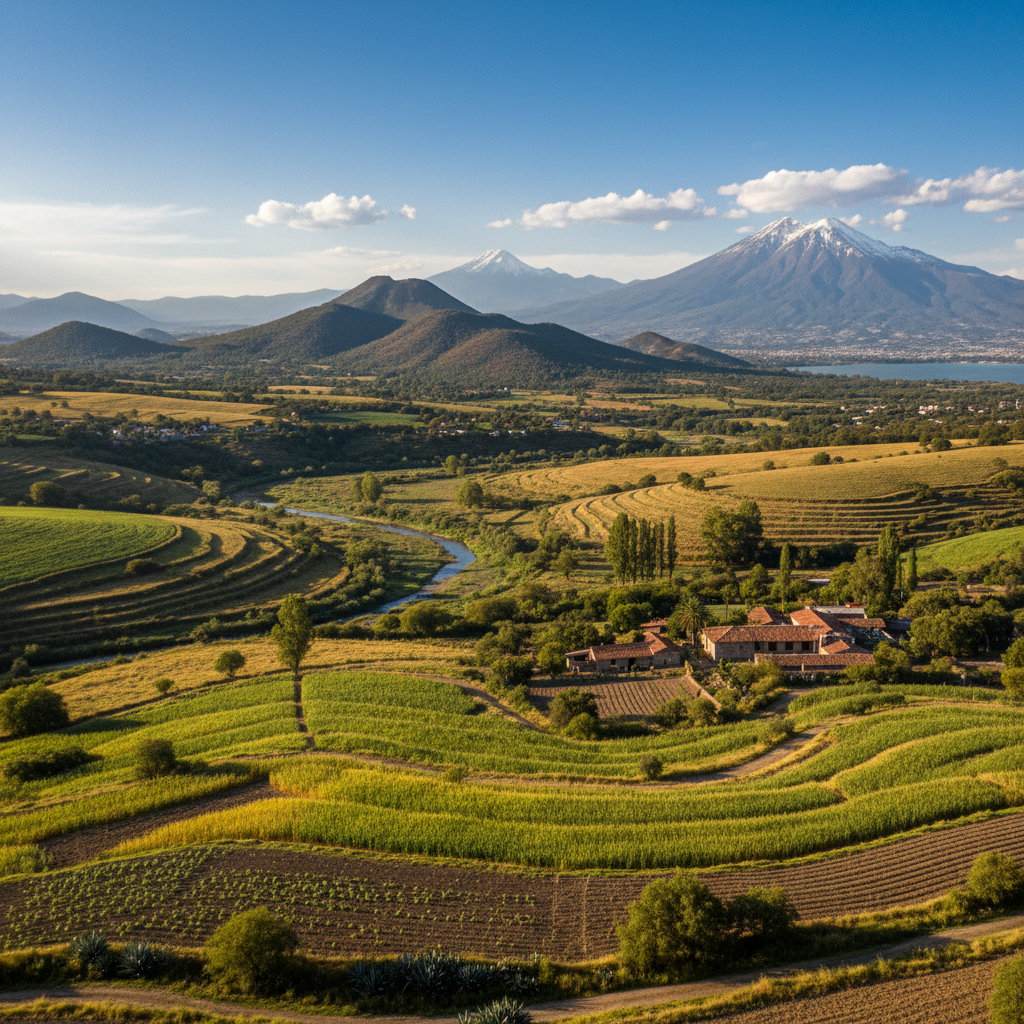
The Anahuac Core is defined by the high Mexican Plateau, specifically the Valley of Mexico, surrounded by towering volcanic peaks like Popocatépetl and Iztaccíhuatl. This volcanic activity created fertile plains but also necessitated complex hydraulic engineering (chinampas, canals) to manage water and maximize arable land in the historical lake system. The high altitude (averaging 2,200 meters) limited large-scale grazing for introduced European livestock, favoring smaller animals and intensive agriculture. Trade routes were historically challenging, traversing mountain passes, which reinforced the region's self-sufficiency and central role in controlling resource distribution from coastal areas.
The soil composition is predominantly volcanic, rich in minerals and highly fertile, especially in the basins and valleys. The volcanic ash and detritus create deep, well-drained soils ideal for maize, beans, squash, and chili cultivation. The ancient lakebeds, particularly those utilized for chinampas (floating gardens), provided exceptionally rich, organic muck that allowed for multiple harvests annually. This inherent soil richness formed the stable agricultural foundation necessary to sustain the massive populations of Tenochtitlan and surrounding cities for millennia.
As the political and spiritual center of Mesoamerica, the Central Highlands were the nexus of tribute, trade, and conquest long before the Spanish arrival. The Mexica (Aztecs) consolidated control, drawing diverse ingredients and culinary knowledge from subject territories stretching to the coasts (e.g., cacao, vanilla, tropical fruits). The Spanish Conquest introduced a massive influx of European ingredients (pork, beef, lard, wheat, dairy) and techniques. However, unlike other regions, the indigenous culinary structure was so robust that these new elements were integrated into existing systems—most notably, European fats and meats were incorporated into complex, pre-existing indigenous sauce bases (moles and adobos), creating the layered flavor profile characteristic of the region.
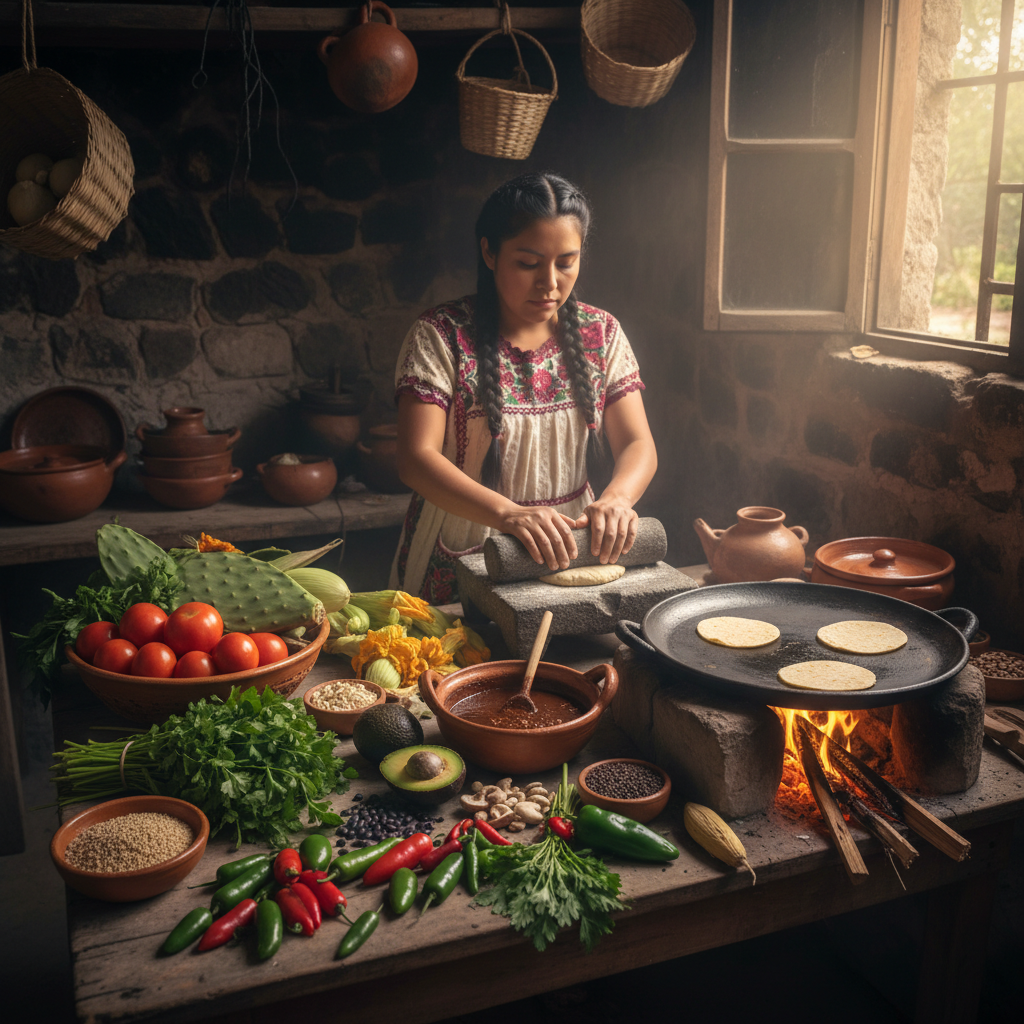
Food in the Anahuac Core was deeply intertwined with cosmology, ritual, and social hierarchy. Pre-Conquest, maize was sacred, and specific foods were mandated for religious festivals, tribute payments, and funerary rites. The concentration of power in Tenochtitlan meant that food preparation was highly labor-intensive, often requiring specialized knowledge (e.g., nixtamalization, complex sauce preparation) and serving as a display of wealth and political control. Post-Conquest, this tradition of labor-intensive, layered cooking persisted, adapting to the Catholic calendar and Spanish social structures. The necessity of 'nose-to-tail' cooking and the optimization of street food reflect the density and economic realities of urban life, where efficiency and maximizing flavor from limited resources are paramount.
Nixtamalization (Nixtamal)
The process of soaking and cooking maize in an alkaline solution (usually lime or wood ash) to increase nutritional value and improve grindability. This technique is the foundational culinary act of the region, ensuring the quality and structural integrity of the tortilla.
Tatemado (Charring/Roasting)
Dry-roasting chilies, tomatoes, and aromatics directly on a comal or open flame until blackened. This process develops deep, smoky, umami flavors essential for complex salsas and moles, providing depth absent in fresh ingredients.
Molinado (Grinding/Pasting)
The labor-intensive process of grinding toasted ingredients (nuts, seeds, chilies, spices) into a smooth, emulsified paste, traditionally using a metate. This creates the dense, rich texture required for classic regional sauces like moles and adobos.
Guizado (Stewing/Braising)
Slow-cooking meats and vegetables in a prepared, complex sauce base (adobo or mole) to allow the ingredients to absorb the sauce's flavor fully. This technique is central to dishes like mole poblano and various fillings for tacos and tamales.
Uso de Comal y Plancha
Utilizing the flat, circular griddle (comal) or plancha (flat-top) for cooking tortillas, toasting dry ingredients, and, crucially, cooking meats like suadero and bistec where the meat is cooked quickly, often pooling in its own or added fat (lard/beef fat) for flavor management.
Staple grain; foundation of all foodways via nixtamalized dough (masa) for tortillas, tamales, and atoles.
Flavor and heat base; essential for building complex sauces (moles, adobos). Key varieties include Guajillo, Pasilla, and Árbol.
Primary cooking fat (post-Conquest); used for frying, enriching masa, and adding flavor depth to stews and beans.
Acid and body agents; used extensively in fresh and cooked salsas, providing tanginess and thickening power.
Primary introduced protein; valued for its fat content (lard source) and versatility in stews and street food (carnitas, longaniza).
Signature herb; used to flavor beans, quesadillas, and specific stews, known for its strong, slightly medicinal aroma.
Aromatic base; foundational flavoring for virtually all stews, sauces, and cooking processes.
Thickening and richness agents; used in moles (peanuts, sesame, pumpkin seeds) to provide body, fat, and complexity.
Historical and specialty protein source; chapulines (grasshoppers) and escamoles (ant larvae) represent indigenous continuity and high-value seasonal ingredients.
Garnish and fresh flavor; used extensively as a topping for tacos, soups, and salsas.